.jpg) This material was produced as part of the project “Promoting Democratic Integrity and Governance in Ukraine”, implemented by the Civil Network OPORA with the support of the EU. Its content is the sole responsibility of the Civil Network OPORA and does not necessarily reflect the position of the European Union.
This material was produced as part of the project “Promoting Democratic Integrity and Governance in Ukraine”, implemented by the Civil Network OPORA with the support of the EU. Its content is the sole responsibility of the Civil Network OPORA and does not necessarily reflect the position of the European Union.
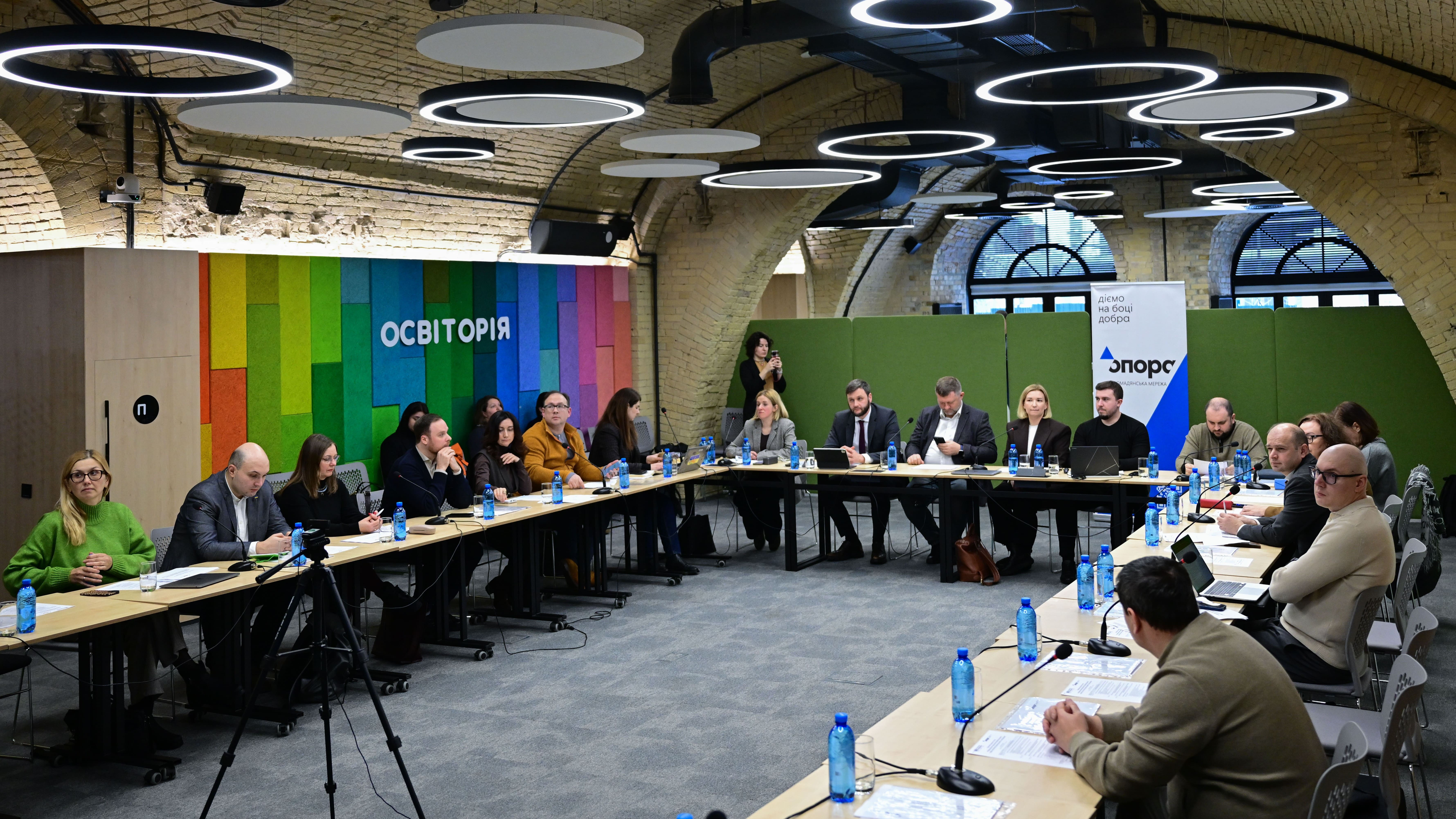
The issue of political financing is one of the indicators in the Roadmap, the implementation of which is necessary for Ukraine’s accession to the EU. This was stated by Olha Aivazovska, Chair of the Board of the Civil Network OPORA, during the roundtable “Reforming Legal Liability for Political Financing and Reporting”, which took place on 16 February in Kyiv.
“Ukrainian society expects Ukraine to become a member of the EU. Within the negotiation track, we see certain trends regarding the need for the European Union to play its part should a peace agreement be signed. There is a deadline for Ukraine’s accession to the EU — 1 January 2027. So we have 10 months left to implement the reforms. It is important that we do not miss this window of opportunity in terms of implementing reforms and the necessary measures”, — she emphasised, opening the discussion.

As noted by First Deputy Chairman of the Verkhovna Rada of Ukraine Oleksandr Korniienko, voter bribery remained one of the key issues during the last presidential election. According to him, a significant number of cases were opened, but most of them did not result in a successful conclusion: some perpetrators were punished, whilst the main organisers and financial operators of the schemes are currently outside Ukraine.
He pointed out that the problem has two components. The first is administrative, which requires proper investigation and the effective functioning of law enforcement agencies, in particular the National Police and the Security Service of Ukraine. In this regard, the precision of legislative wording is of crucial importance, as even minor changes to the text of regulations can either provide the tools to respond to violations or effectively deprive law enforcement agencies of such capabilities. The second component concerns the harmonisation of legislation and the concentration of supervisory functions within a single body.
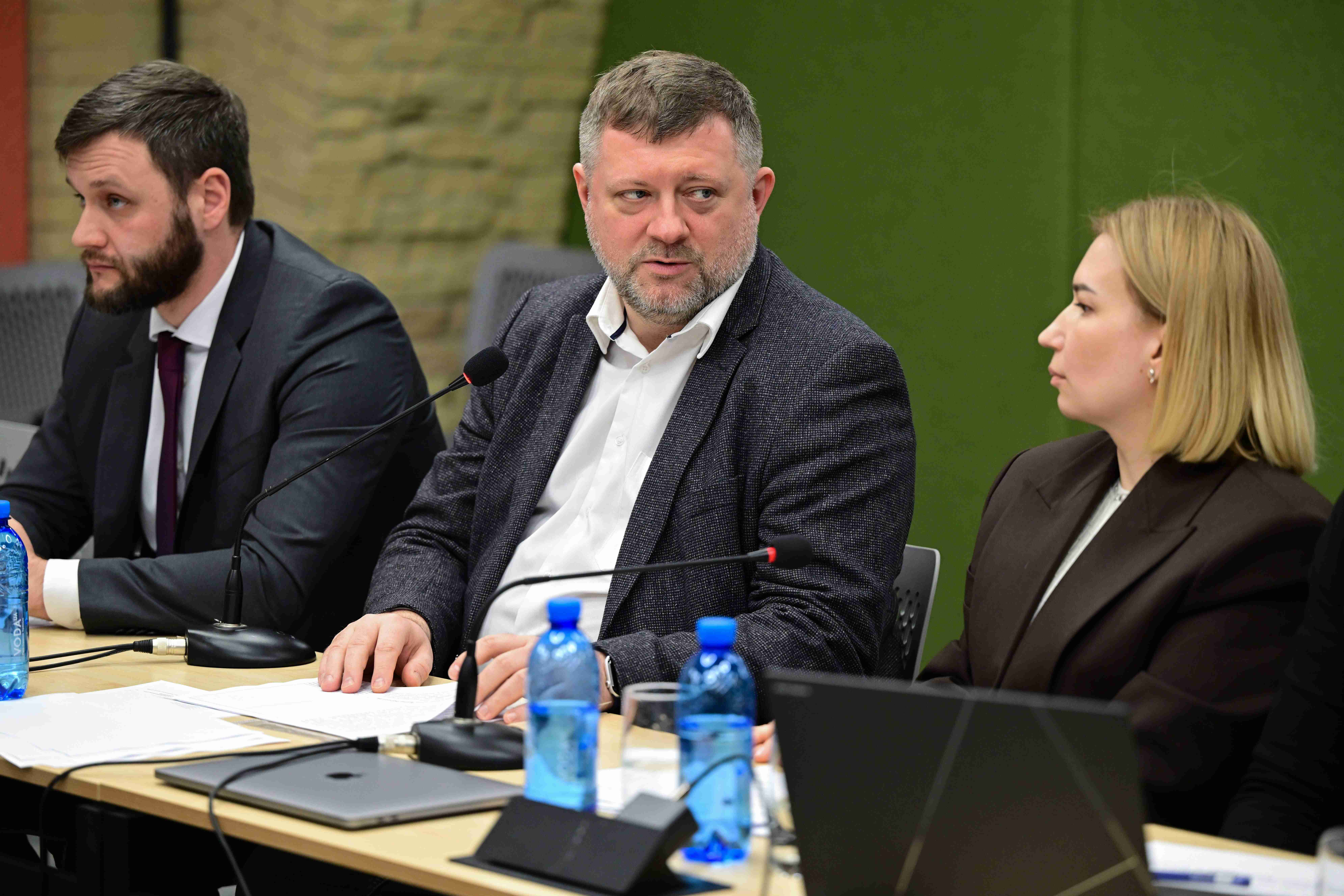
Oleksandr Korniienko also noted that among those involved in party activities and issues of state funding, there is no doubt regarding the NACP’s professionalism in the field of supervising political party financing. Therefore, in his view, developing and strengthening this area is a logical step.
He also emphasised that the tools of illegal financing are constantly evolving. Whereas during previous elections cryptocurrency was seen as an exotic phenomenon, it has now become an ordinary tool accessible to a wide range of people, creating new challenges for the control system.
Olena Shuliak, Chairperson of the Verkhovna Rada Committee on the Organisation of State Power, Local Self-Government, Regional Development and Urban Planning, emphasised the priority of three interrelated issues for discussion: threats to the financing of political parties arising out of the full-scale invasion; Ukrainian commitments to European integration; liability for illegal financing, particularly from foreign sources; and, more generally, an effective sanctions regime for breaches of financing and reporting rules.
“When we talk about political parties, we are referring not only to parliament but also, more broadly, to institutions concerned with the representation of the people at national and local levels, the channels through which policy is formed and held to account, and the competition of diverse ideas. Therefore, when funding rules are weak or accountability fails to function for various reasons, this can create fertile ground for both shadow influence and the buying of political decisions, which, ultimately, could undermine the stability of our state”, — she noted.

When we talk about updating legislation, we need to clearly understand what the procedure will be for holding parties accountable for breaches of funding rules. She believes that the rules must exist not only on paper but also in the form of clear and transparent mechanisms for oversight and sanctions.
Furthermore, in the context of foreign funding, Shuliak considers it critically important to define key concepts: what is considered foreign assets, which thresholds are relevant, who investigates violations and imposes sanctions, and so on. The basic principle is simple: transparency, preventing hidden donors, and effectively countering ways in which funding limits and mechanisms can be circumvented through intermediaries.
According to her, it is also necessary to strike a balance between cases where criminal liability is required and those where administrative penalties are sufficient: “Of course, fair fines must be imposed, there must be the possibility of confiscating all illegal contributions, and liability must apply to the organisers of the mechanisms, not just the so-called technical executors.”
Shuliak also emphasised that, in the context of party reporting, it would be desirable to move away from punishing every minor error towards encouraging honesty and punishing only deliberate concealment and systematic violations.
As Viktor Pavlushchyk, head of the National Agency for Corruption Prevention (NACP), explained, the current model of party reporting was introduced back in 2015 and has not changed significantly since then. However, its implementation has revealed a number of challenges: “Firstly, the process of investigating offences is excessively complex, which complicates the collection of evidence and proving the fact of an offence. As a result, the accountability mechanism often does not function as intended from the outset. Secondly, sanctions have effectively lost their preventive effect. They are too weak and do not create an adequate deterrent mechanism.”
The NACP has joined the working group initiated by OPORA. The group’s members are representatives of state bodies and experts, and they have drawn up the first proposals for changes. According to Pavlushchyk, it is critically important for the continuation of the reform of political party and election campaign financing.
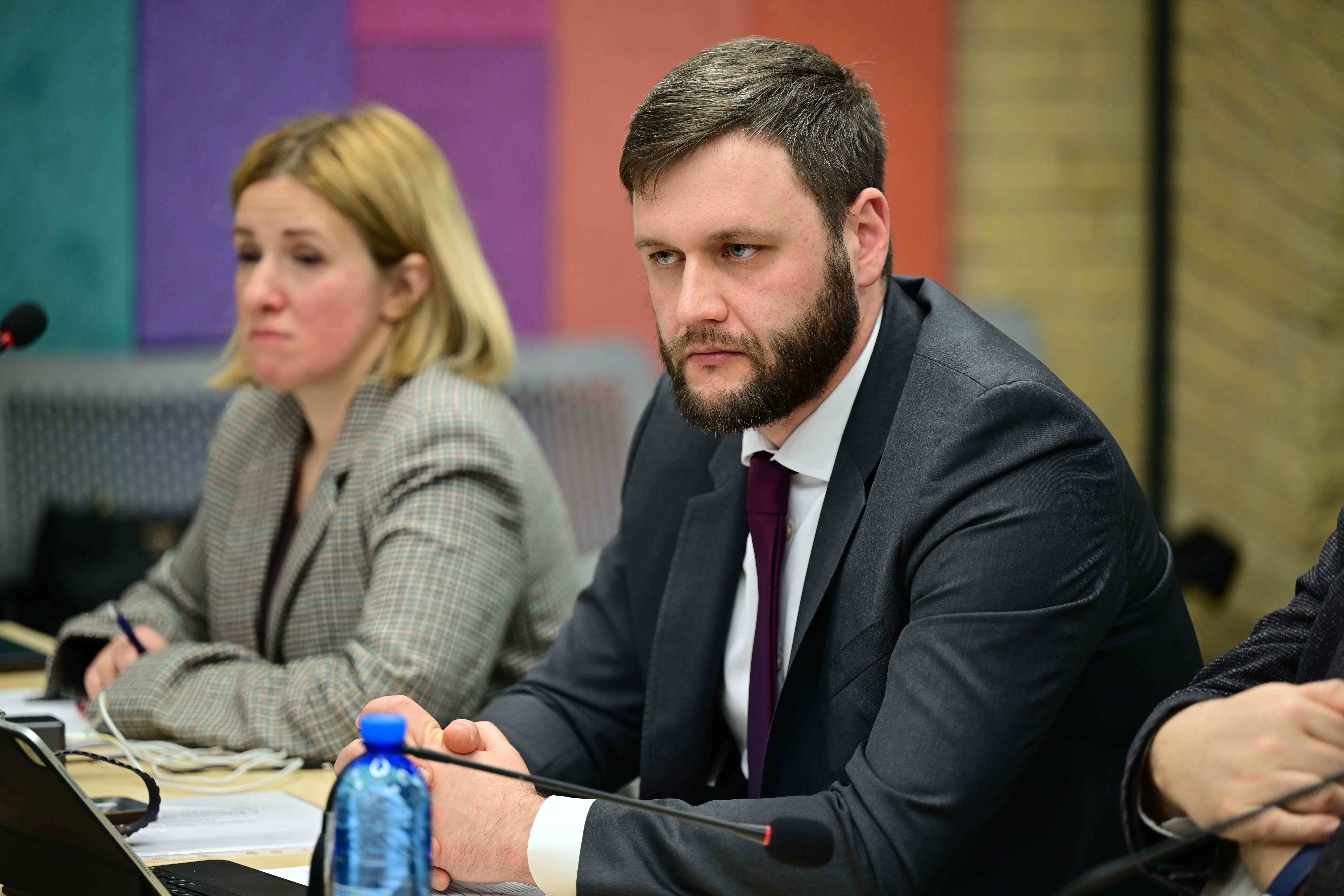
“We must be prepared for possible future electoral processes. Events in neighbouring countries, particularly Moldova and Romania, demonstrate the risks of external interference, including through financial instruments. Ukraine must therefore minimise such threats in advance through clear, effective and fair accountability rules”, — he noted.
Pavlushchyk also pointed out that internal threats should not be ignored, such as attempts to discredit the NACP.
“Our goal is simple. The rules must be clear, accountability — inevitable, and political competition — fair”, — he concluded.
Bohdan Mokhonchuk, Legal Adviser to the Civil Network OPORA, presented the jointly drafted text of the draft law, focusing on the following three areas:
- accountability for foreign funding of political parties, election and referendum campaigns;
- criminal and administrative liability for breaches of political financing rules;
- administrative liability for violations of political reporting rules.
“Criminal liability in Ukraine in the field of political finance is dead; it doesn’t work. That is why it needs to be completely overhauled”, — he emphasised. “A particular challenge for Ukraine and the civilised world is countering foreign, primarily Russian, interference. Which is also a violation of sovereignty, but from within the country”, — added the OPORA adviser.
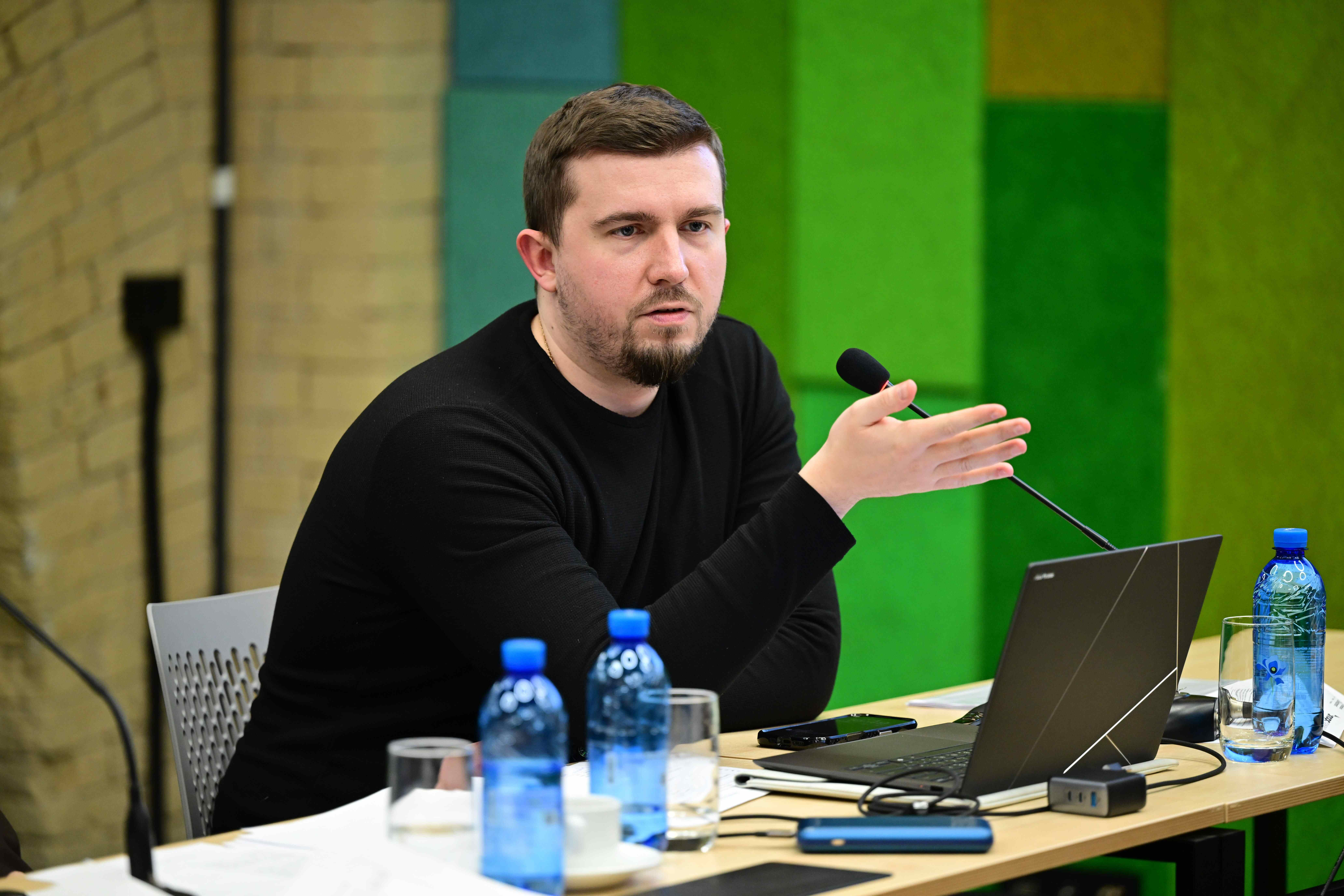
Furthermore, Mokhonchuk emphasised that both the working group drafting this draft law and the recommendations from various government bodies, which OPORA received in response to its enquiries, highlight the need to update the system of penalties: “Our approach is more about decriminalising many acts. But it should be kept in mind that even at the stage of drafting the new draft law on political parties and draft law No. 11462, we encountered the fact that the Criminal Code and the Code about Administrative Offences require that amendments to them be made through separate laws”.
This event is funded under the international development programme of the Government of the United Kingdom of Great Britain and Northern Ireland. The views expressed do not necessarily reflect the official policy of the Government of the United Kingdom of Great Britain and Northern Ireland.