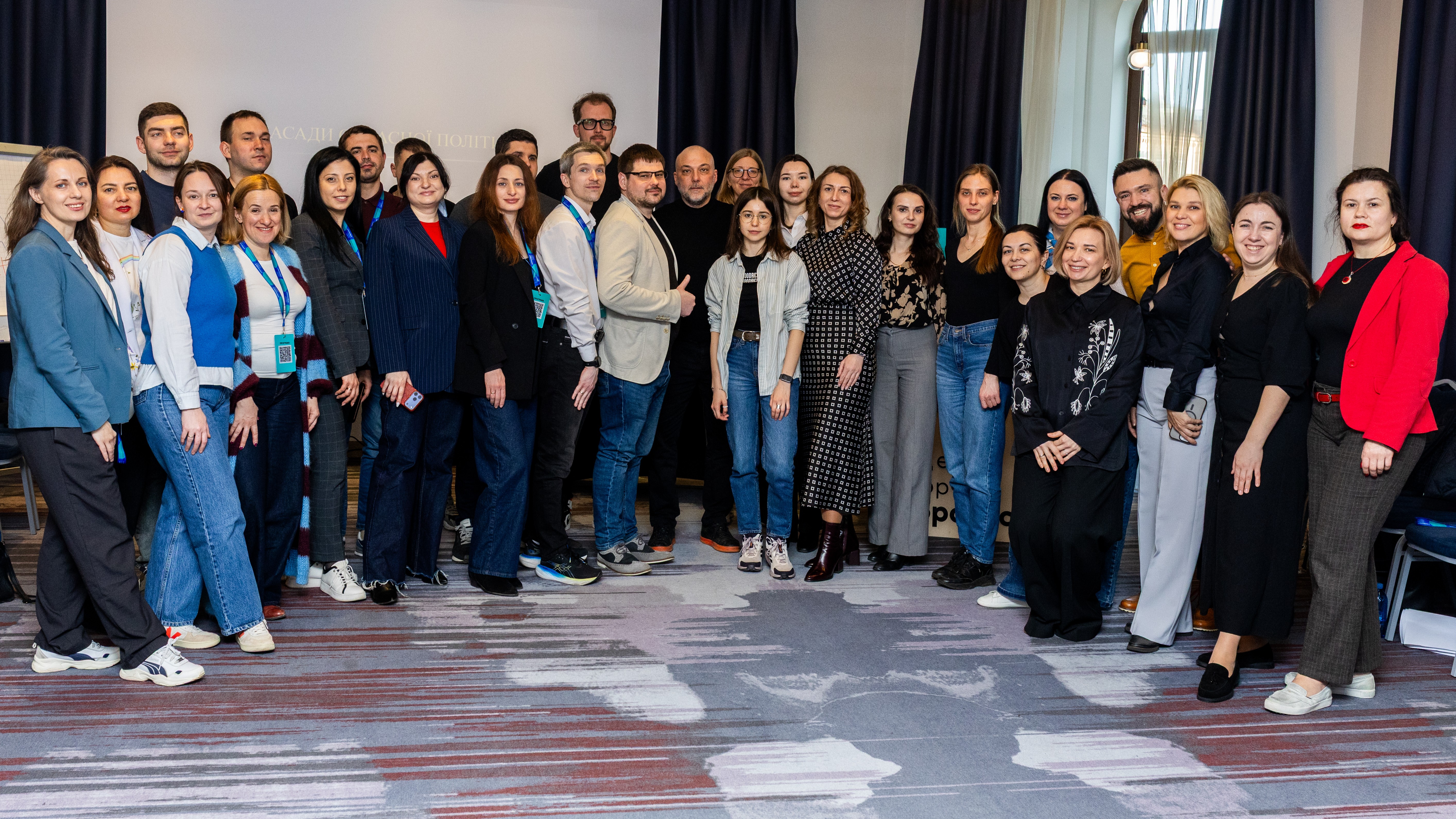
The civil network OPORA, with the support of the National Endowment for Democracy (NED), has successfully completed the second wave of the Electoral Integrity Academy training programme. Over the course of several months, the initiative brought together civil society activists, analysts and civil servants to seek effective solutions for preserving democratic institutions. The training consisted of three intensive stages, each of which explored a separate aspect of electoral processes.
“We truly want to build a high-quality training platform for everyone who cares. If Ukraine becomes a country where every person’s voice is heard in the political process, it will be a completely different place. We have the expertise, we are happy to share it, and we hope that this community will thrive and grow,” emphasised Olha Aivazovska, Chair of the Board of the Civil Network OPORA.
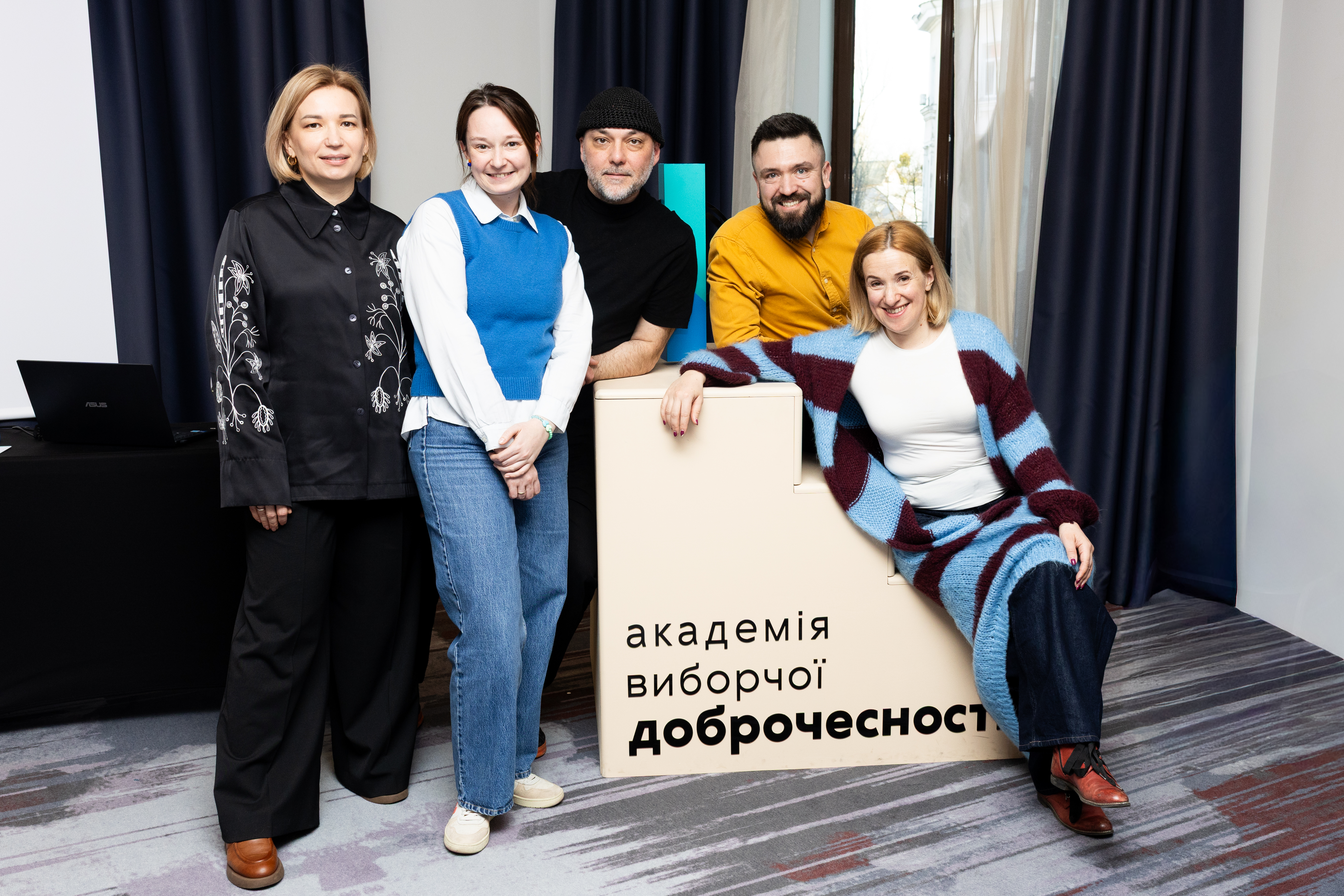
The first offline module, which took place on 20–22 February, was dedicated to establishing a framework for political integrity. Participants explored the challenges facing the functioning of electoral democracy, the role of integrity, the stages of the electoral cycle, the security prerequisites for democratic processes, information security, risk management, party democracy and ethical leadership.
The speakers for this module were Olha Aivazovska, Chair of the Board of OPORA; Olha Kotsiuruba, Senior Legal Advisor at OPORA; Vasyl Lutsyk, an expert on fostering a culture of whistleblowing and public integrity; Pavlo Klimkin, Minister of Foreign Affairs of Ukraine (2014–2019), OPORA analysts Anatolii Bondarchuk, Andrii Savchuk and Anastasiia Romaniuk, as well as OPORA’s consultant on socio-political issues, Yurii Lisovskyi.
Participants were convinced that even the best institutional models do not work without an ethical foundation, without an understanding of the legitimate interests of different parties, and without a willingness to defend the rules when the system is under pressure.
“A community does not rely solely on its organisers. First and foremost, it is created by people. Wherever you are, it is extremely important to remain ready to support the state and not let it fall in the face of threats,” emphasised Andrii Tokarskyi, coordinator of the Electoral Integrity Academy.
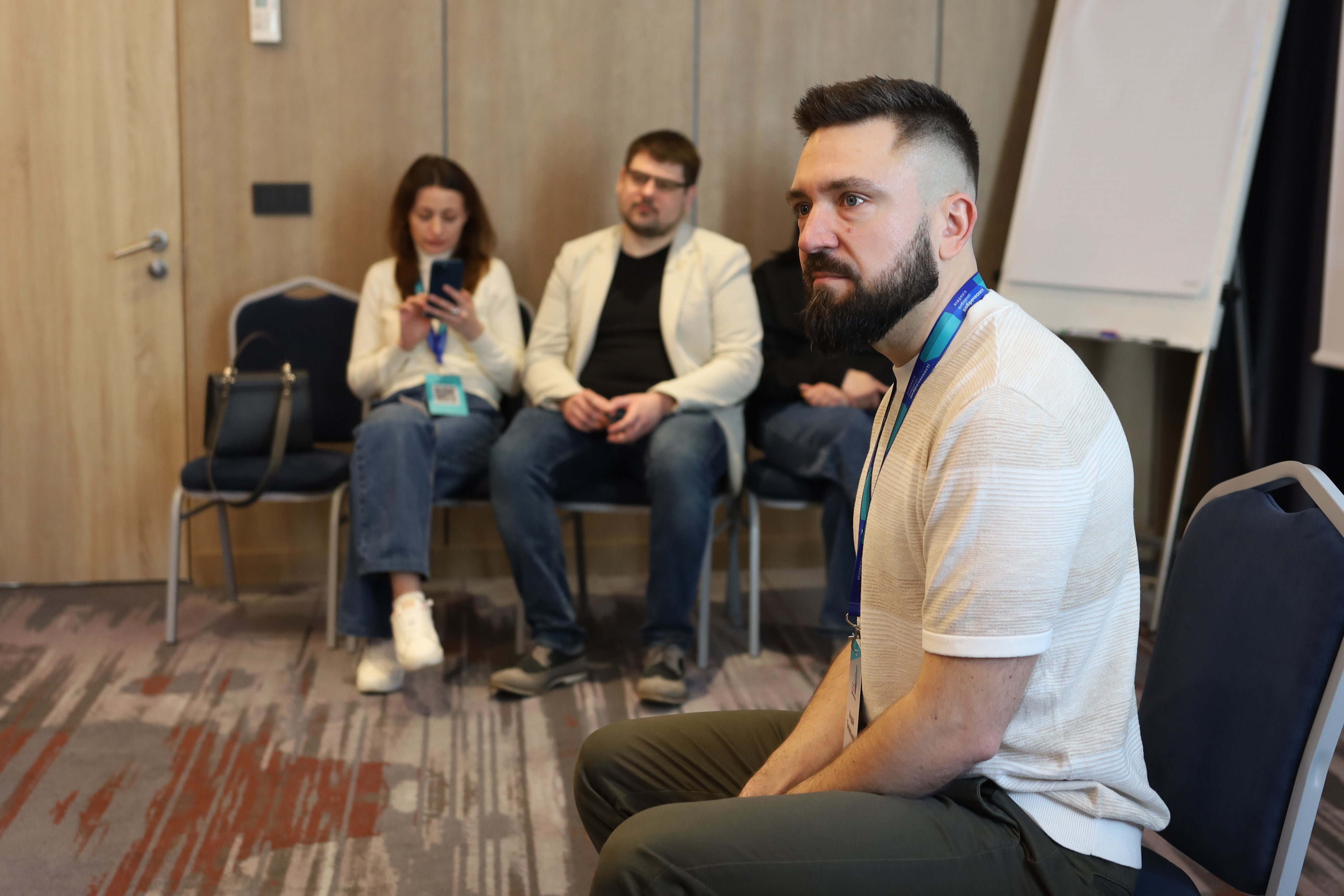
The second stage consisted of online sessions. Participants analysed the specifics of political finance, algorithms for ensuring financial transparency, mechanisms for detecting manipulation, liability for violations of electoral law, political communication strategies, and the latest challenges associated with the use of artificial intelligence in election campaigns. The sessions were led by representatives of the Civil Network OPORA – Olha Snopok, Dmytro Bashtovyi, Anatolii Bondarchuk and Bohdan Mokhonchuk — as well as political finance expert Ihor Feshchenko.
“Often, due to work commitments, we lose the ability to learn new things. But here, you’re placed in an environment of intensive lectures where your brain is forced to work at full capacity. I rediscovered a genuine joy in learning and a desire to broaden my horizons,” shared programme participant Veronika Buhaienko.
The third and final offline module focused on practical algorithms for rights protection and crisis management. OPORA’s legal advisor Bohdan Mokhonchuk spoke about the case law of the European Court of Human Rights. Serhii Postivyi, a member of the Central Election Commission, explained approaches to ensuring the accessibility of the electoral process for people with reduced mobility. Expert Vasyl Lutsyk and OPORA lawyers Olha Kotsiuruba and Pavlo Romaniuk shared effective strategies for identifying and responding to violations.
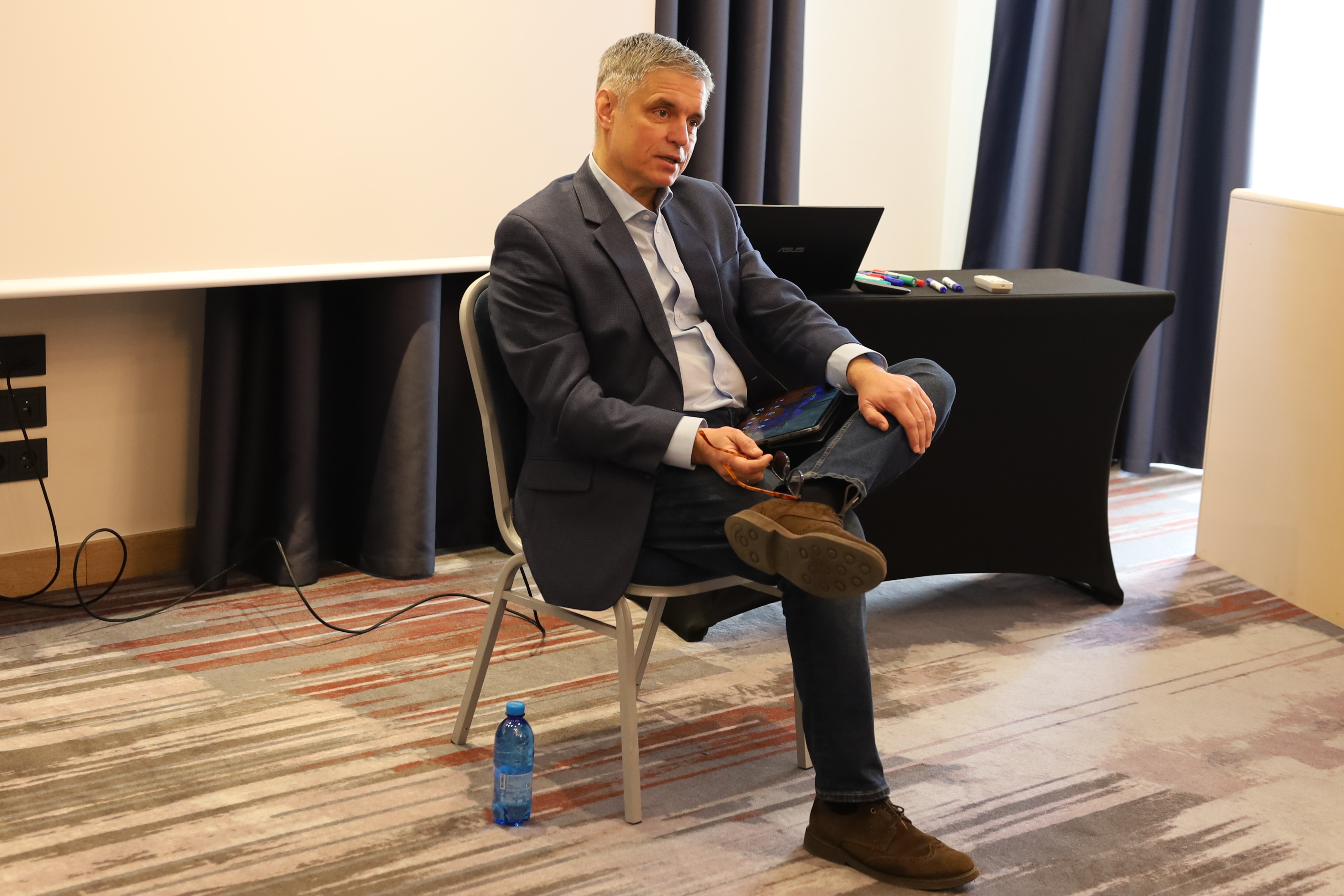
An in-depth discussion of communication challenges took place during a meeting with Vadym Prystaiko, a diplomat who served as Ukraine’s Minister of Foreign Affairs (2019–2020) and Ambassador of Ukraine to the United Kingdom (2020–2023).
“We need to start preparing for the elections now, at least so that we are ready internally. How this will happen is an open question, but the main thing is to ensure that people feel a sense of fairness and that the process reflects the actual outcome,” he noted.
Participants worked on complex negotiations and conflict management strategies alongside Olha Aivazovska and conflict expert Maxim Yelihulashvili. The philosopher Vakhtang Kebuladze examined the ideological foundations of contemporary politics, highlighting the risks of radicalisation to democracy.
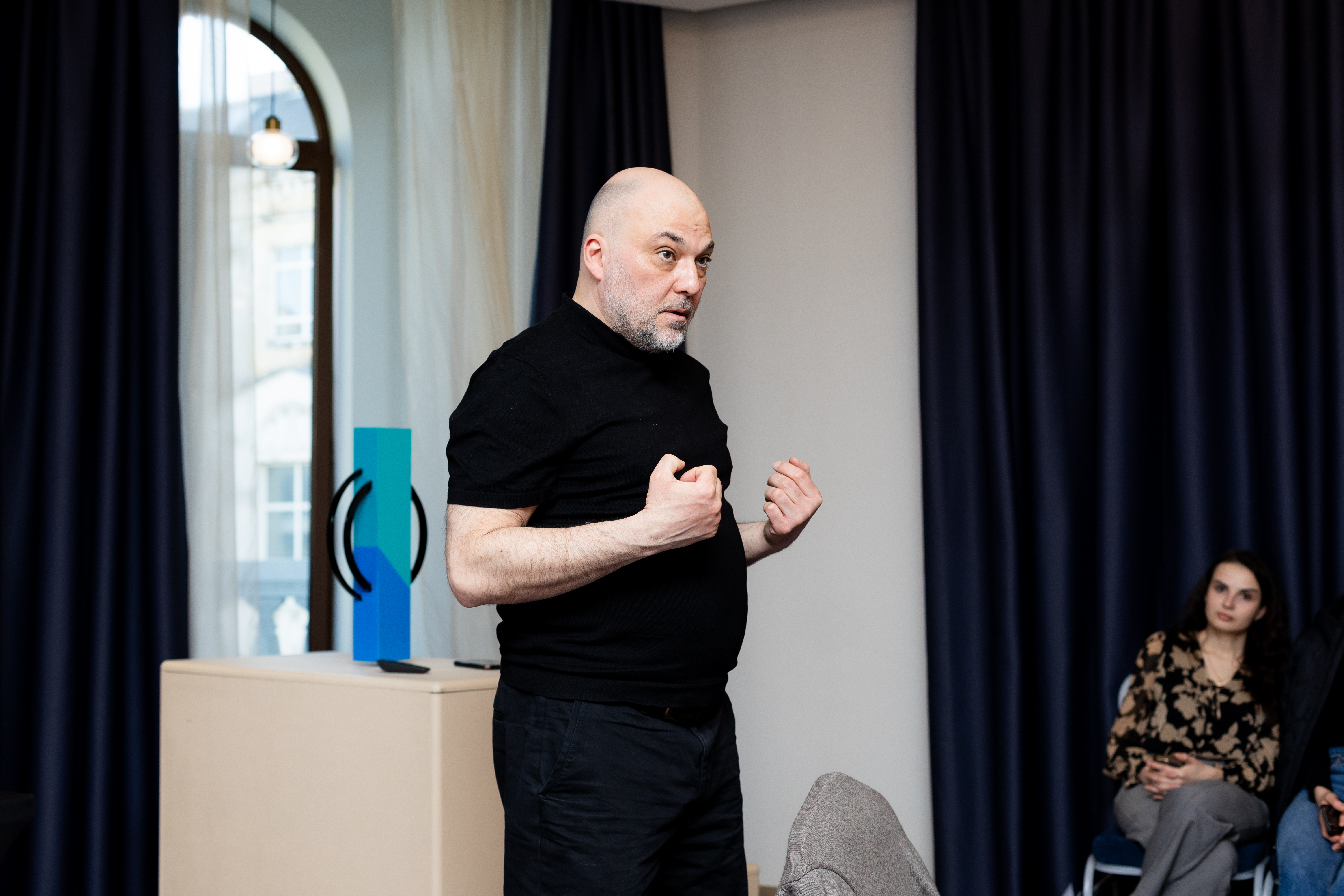
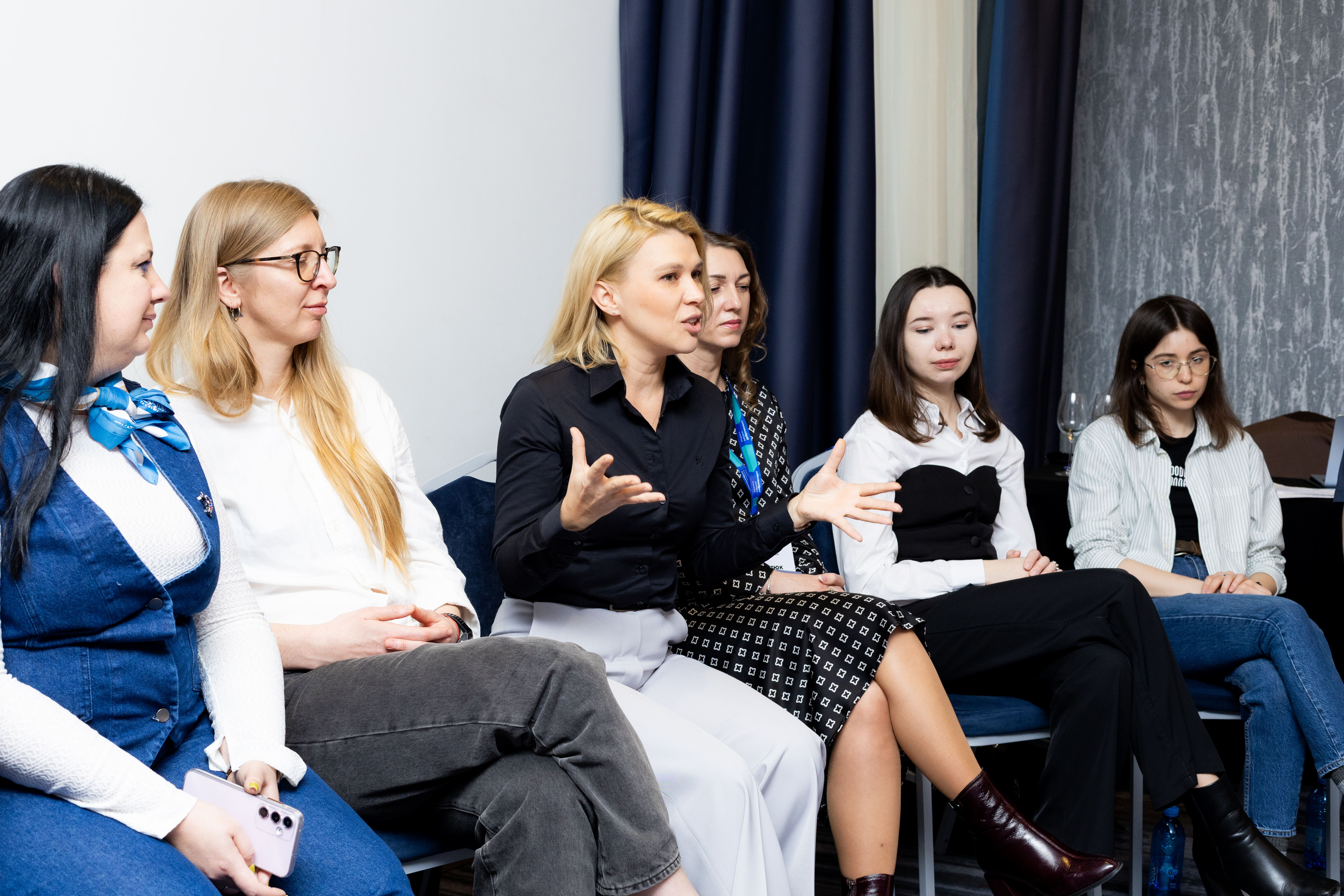
For graduates, the Academy has become a space for powerful networking and a values-based reset.
“These modules made me think deeply about many things, such as how we can navigate these challenges. The atmosphere, the people and the intellectual drive — these are what are of immense value to me,” remarked participant Vira Konstantinova.
“I feel a slight sense of sadness that we are going our separate ways. However, I am taking with me a huge number of contacts across Ukraine with whom I share a 100% alignment of interests,” concluded Academy participant Nataliia Kryvoruchko.

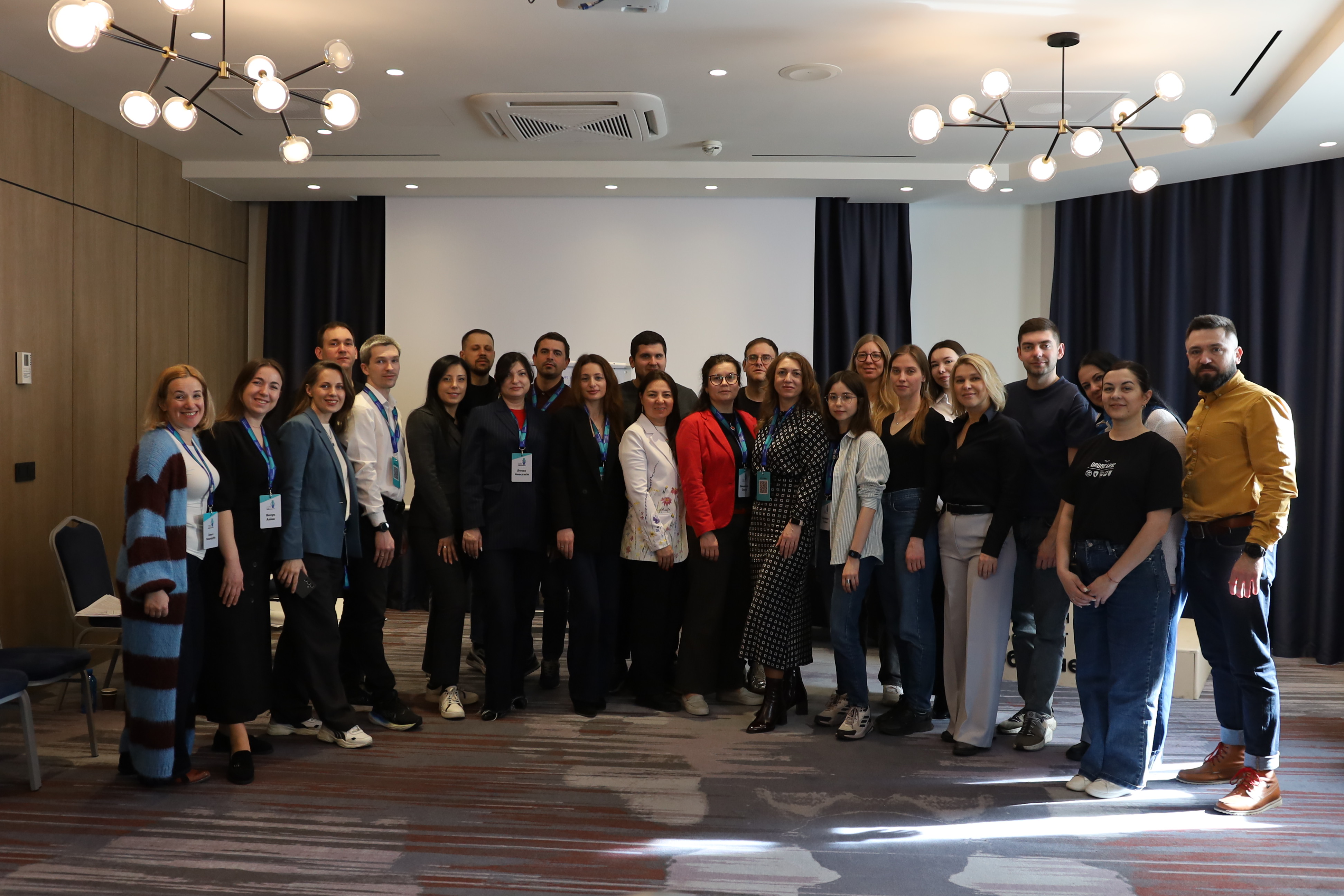
The Electoral Integrity Academy is an important contribution to Ukraine’s future ability to navigate one of the most challenging political phases following the end of the war. Preparation for elections does not begin on the day the campaign launches, nor at the moment a formal decision is made to hold them. It begins when a community of people emerges within society who are capable of working professionally, responsibly and with integrity to address all the challenges that these elections will bring. It is precisely this kind of community that OPORA continues to foster through the Academy — together with those who understand: a democratic future does not come about automatically; it must be prepared for today.